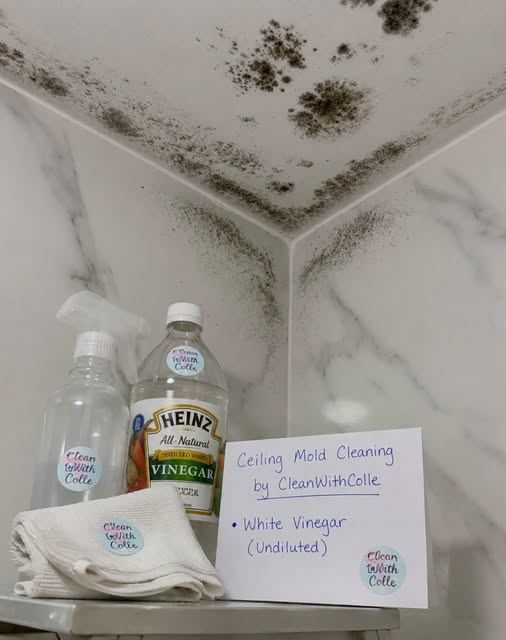
Use a dry microfiber cloth to remove as much moisture as possible.
Leave windows open and keep the room well ventilated until the ceiling is completely dry. If available, use an exhaust fan or dehumidifier to speed up the drying process.
Drying thoroughly is one of the most important steps because mold thrives in damp conditions.
Step 8: Prevent Mold from Returning
Cleaning mold is only half the solution. The moisture source must also be addressed.
Inspect the ceiling and surrounding area for:
Roof leaks
Plumbing leaks
Poor bathroom ventilation
Condensation around windows
High indoor humidity
Damaged grout or caulking
Repair any leaks promptly and improve airflow throughout the room. In bathrooms, always run the exhaust fan during showers and for at least 20 to 30 minutes afterward. If your home tends to be humid, consider using a dehumidifier to maintain indoor humidity between 30% and 50%.
Regularly wiping down wet surfaces can also help prevent mold from becoming established.
Additional Tips for Better Results
Clean small mold patches as soon as they appear before they spread.
Wash microfiber cloths immediately after use.
Replace heavily contaminated sponges instead of reusing them.
Keep shower doors or curtains open after bathing to help moisture evaporate.
Regularly inspect ceiling corners, especially during colder months when condensation is more common.
Improve airflow by leaving interior doors open whenever possible.
Common Mistakes to Avoid
Many homeowners unknowingly make mistakes that encourage mold to return.
Avoid these common errors:
Painting over mold without cleaning it first.
Ignoring water leaks.
Closing windows immediately after cleaning.
Mixing vinegar with bleach or ammonia.
Scrubbing too aggressively and damaging the paint.
Assuming mold is gone simply because the stain has faded.
Even if the ceiling looks clean, moisture problems can allow mold to grow again.
When You Should Call a Professional
While small areas of surface mold can often be cleaned safely, professional help may be necessary if:
Mold covers a large section of the ceiling.
Mold returns repeatedly after cleaning.
Water damage has softened drywall or plaster.
A strong musty odor persists.
Household members experience worsening allergy or asthma symptoms.
The mold appears to have spread inside walls or insulation.
Professionals have specialized equipment to remove mold safely while preventing spores from spreading throughout the home.
Frequently Asked Questions
Can white vinegar kill all mold?
White vinegar can help remove many types of light surface mold from non-porous surfaces. However, it may not eliminate mold that has penetrated deeply into porous materials such as drywall, insulation, or wood.
Is bleach better than vinegar?
Bleach can remove surface stains on some non-porous materials, but it is generally less effective at addressing mold growing within porous materials. Bleach also produces irritating fumes and should never be mixed with vinegar or other cleaners.
How often should I inspect my ceiling?
Bathrooms, kitchens, basements, and laundry rooms should be checked every few weeks, especially during humid weather or after plumbing issues.
Can I simply paint over mold?
No. Painting over mold without cleaning and fixing the moisture problem usually traps the mold underneath, allowing it to continue growing. Special stain-blocking primers should only be applied after the mold has been removed and the surface has dried completely.
Final Thoughts
A clean ceiling is not just about appearance—it is also an important part of maintaining a healthy indoor environment. By cleaning small areas of surface mold promptly, improving ventilation, controlling indoor humidity, and repairing leaks as soon as they occur, you can greatly reduce the chances of mold returning.
Regular maintenance and moisture control remain the most effective long-term strategies for keeping ceilings clean, protecting your home’s structure, and improving indoor air quality for everyone in the household.
Recent Articles

How Atorvastatin Works – And Why Side Effects Can Appear

Soak Your Feet in Vinegar Once a Week and Watch These 9 Health Problems Disappear

MYTH OR MEDICAL REALITY: DOES EATING RAW ONIONS REALLY CAUSE THIS COMMON HEALTH PROBLEM? (THE TRUTH REVEALED)