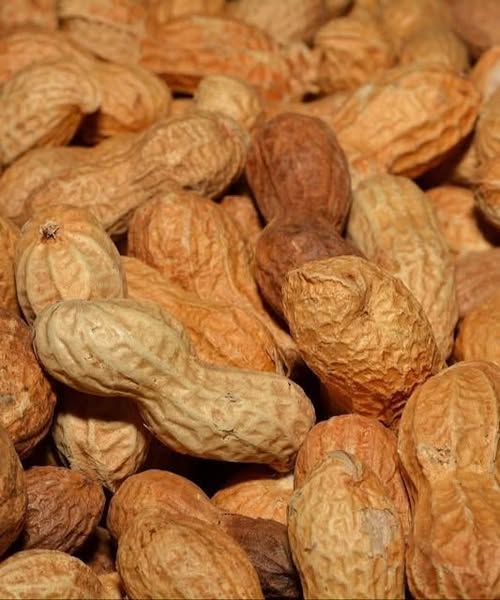
What Science Actually Says About Eating Peanuts: Health Benefits, Risks, and Medical Insights
Peanuts are one of the most widely consumed foods in the world. They appear in snacks, spreads, desserts, sauces, and countless everyday meals. Despite their popularity, peanuts are often surrounded by confusion, especially online, where dramatic claims about their effects on health frequently circulate.
You may have seen headlines suggesting that “doctors reveal shocking effects of eating peanuts,” but the reality is far more balanced and scientifically grounded.
Medical research does not describe peanuts as dangerous for most people. Instead, peanuts are generally recognized as a nutrient-rich food with both health benefits and specific considerations depending on individual conditions such as allergies.
Understanding what peanuts actually do in the body requires looking at their nutritional composition, their effects on heart health, digestion, weight management, and the rare but serious issue of allergies.
What Are Peanuts, Really?
Despite their name, peanuts are not technically nuts. They are legumes, meaning they belong to the same plant family as beans, lentils, and peas.
However, nutritionally, peanuts behave similarly to tree nuts because they contain:
healthy fats
protein
fiber
essential vitamins and minerals
Recent Articles

How Atorvastatin Works – And Why Side Effects Can Appear

Soak Your Feet in Vinegar Once a Week and Watch These 9 Health Problems Disappear

MYTH OR MEDICAL REALITY: DOES EATING RAW ONIONS REALLY CAUSE THIS COMMON HEALTH PROBLEM? (THE TRUTH REVEALED)