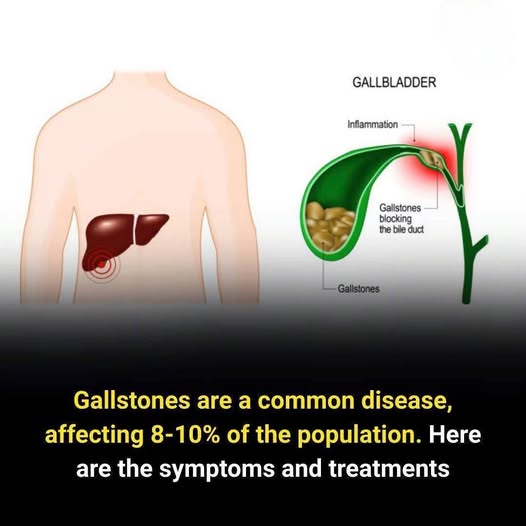
Fever, chills, or feeling hot and shivery can be warning signs of infection or inflammation. Gallstones can sometimes lead to inflammation of the gallbladder or pancreas, and these complications need medical attention.
Do not ignore abdominal pain that comes with fever or chills.
5. Yellow Skin or Eyes
If the skin or the whites of the eyes become yellow, this may suggest jaundice. Jaundice can happen when a gallstone blocks the bile duct. It may also come with darker urine, pale stools, or itchy skin.
This is not something to wait on at home. It needs prompt medical advice.
How Doctors Diagnose Gallstones
Doctors may use your medical history, a physical exam, blood tests, and imaging tests. Ultrasound is considered the best imaging test for finding gallstones. Blood tests may also show signs of infection or inflammation involving the bile ducts, gallbladder, pancreas, or liver.
In some cases, doctors may use CT, MRI, HIDA scan, or ERCP, especially if they suspect a stone is stuck in the common bile duct.
Treatment: When Gallstones Need Action
If gallstones are not causing symptoms, treatment may not be needed. A doctor may simply monitor them. But if gallstones cause pain, complications, or are found in the common bile duct, treatment is usually needed.
The main treatment for symptomatic gallstones is surgery to remove the gallbladder, called cholecystectomy. The body can live without the gallbladder because bile can flow directly from the liver into the small intestine.
Other Treatment Options
If a gallstone is stuck in the common bile duct, doctors may use ERCP to remove it. Medication may sometimes be used to dissolve cholesterol stones, but it can take months or years, and stones may come back when treatment stops. These nonsurgical options are usually reserved for special cases.
Can Lifestyle Help?
Lifestyle changes cannot remove existing gallstones, but they may help reduce the risk of new stones. Maintaining a healthy weight, avoiding rapid weight loss, and eating balanced meals may help lower risk. Being overweight or losing weight very quickly can increase the chance of gallstone formation.
When to Seek Urgent Medical Help
Seek urgent medical help if you have sudden severe abdominal pain, pain spreading to the back with vomiting, high fever, chills, or yellowing of the skin or eyes. These can be signs of a complication that should not be ignored.
Final Thoughts
Gallstones are common, but they should not be dismissed when symptoms appear. Upper abdominal pain, pain after meals, nausea, vomiting, fever, chills, or jaundice may all be warning signs.
The safest step is to get checked early. A simple ultrasound and medical evaluation can help identify the problem and prevent more serious complications.
Disclaimer: This article is for general educational information only and does not replace medical advice, diagnosis, or treatment. If you have severe abdominal pain, fever, vomiting, jaundice, or symptoms that worry you, contact a healthcare professional or seek urgent care.
Recent Articles
How Atorvastatin Works – And Why Side Effects Can Appear

Soak Your Feet in Vinegar Once a Week and Watch These 9 Health Problems Disappear
MYTH OR MEDICAL REALITY: DOES EATING RAW ONIONS REALLY CAUSE THIS COMMON HEALTH PROBLEM? (THE TRUTH REVEALED)