
Bone pain
Muscle weakness
Increased risk of fractures
Fatigue
Sunlight exposure and foods such as fatty fish, egg yolks, and fortified dairy products are common sources.
Calcium
Calcium is the primary mineral found in bones.
A lack of calcium over many years can contribute to weaker bones and osteoporosis.
Good sources include:
Dairy products
Yogurt
Cheese
Leafy greens
Fortified plant milks
Magnesium
Magnesium helps regulate muscle and nerve function while supporting bone formation.
Many people do not get enough magnesium through their diets.
Foods rich in magnesium include:
Nuts
Seeds
Whole grains
Beans
Dark leafy vegetables
Vitamin K
Vitamin K plays an important role in bone metabolism.
Green vegetables such as kale, spinach, broccoli, and Brussels sprouts are excellent sources.
Where Do Cloves Fit In?
Cloves are the dried flower buds of a tropical tree and have been used in cooking and traditional remedies for centuries.
They contain small amounts of several nutrients, including:
Manganese
Vitamin K
Fiber
Antioxidants
The most famous compound in cloves is eugenol.
Eugenol has been studied for its antioxidant and anti-inflammatory properties.
This is one reason cloves are often included in herbal teas and home remedies.
However, cloves are not a major source of vitamin D, calcium, or other nutrients typically associated with preventing bone problems.
Potential Benefits of Clove Tea
Many people enjoy clove tea because it is warm, aromatic, and comforting.
Some potential benefits may include:
Antioxidant Support
Cloves contain compounds that help protect cells from oxidative stress.
A diet rich in antioxidants may support overall health.
Digestive Comfort
Some people find that clove tea helps reduce occasional digestive discomfort.
Natural Flavor Without Sugar
Clove tea provides flavor without requiring added sugar, making it an appealing beverage option.
Warm and Relaxing
Many people simply enjoy the comforting taste and aroma of a cup of clove tea in the evening.
Can Clove Tea Cure Bone Pain?
The simple answer is no.
There is currently no strong scientific evidence showing that clove tea can cure bone pain, arthritis, osteoporosis, or chronic leg pain.
If someone experiences persistent pain, it is important to identify the underlying cause rather than relying on internet remedies.
Bone pain may require medical evaluation, especially if it is severe, recurring, or associated with swelling, weakness, or injury.
Simple Homemade Clove Tea
If you enjoy herbal drinks, clove tea is easy to make.
Ingredients
1 cup water
3 to 5 whole cloves
Optional: cinnamon stick
Optional: slice of fresh ginger
Optional: honey or lemon
Instructions
Bring the water to a gentle boil.
Add the cloves.
Simmer for 5 to 10 minutes.
Remove from heat.
Strain into a cup.
Add honey or lemon if desired.
Serve warm.
The result is a fragrant tea with a naturally spicy flavor.
Other Foods That Support Bone Health
Instead of focusing on one ingredient, experts recommend building a balanced diet.
Foods that support healthy bones include:
Milk and yogurt
Sardines
Salmon
Eggs
Leafy greens
Beans
Nuts
Seeds
Whole grains
Combining these foods with regular exercise and adequate sunlight exposure can help maintain strong bones over time.
Lifestyle Habits That Matter
Nutrition is only part of the picture.
Healthy bones also depend on:
Regular Exercise
Walking, strength training, and weight-bearing activities help maintain bone density.
Quality Sleep
Good sleep supports recovery and overall health.
Avoiding Smoking
Smoking is associated with weaker bones and a higher risk of fractures.
Limiting Excess Alcohol
Heavy alcohol consumption may negatively affect bone health.
Final Thoughts
Cloves are a wonderful spice that can add flavor and antioxidants to your diet. A warm cup of clove tea may be a pleasant addition to a healthy lifestyle, but it should not be viewed as a miracle cure for leg pain, bone pain, or nutritional deficiencies.
Strong bones require a combination of proper nutrition, regular movement, healthy habits, and, when necessary, medical care.
Recent Articles

How Atorvastatin Works – And Why Side Effects Can Appear

Soak Your Feet in Vinegar Once a Week and Watch These 9 Health Problems Disappear
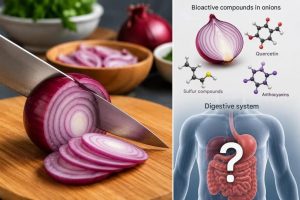
MYTH OR MEDICAL REALITY: DOES EATING RAW ONIONS REALLY CAUSE THIS COMMON HEALTH PROBLEM? (THE TRUTH REVEALED)