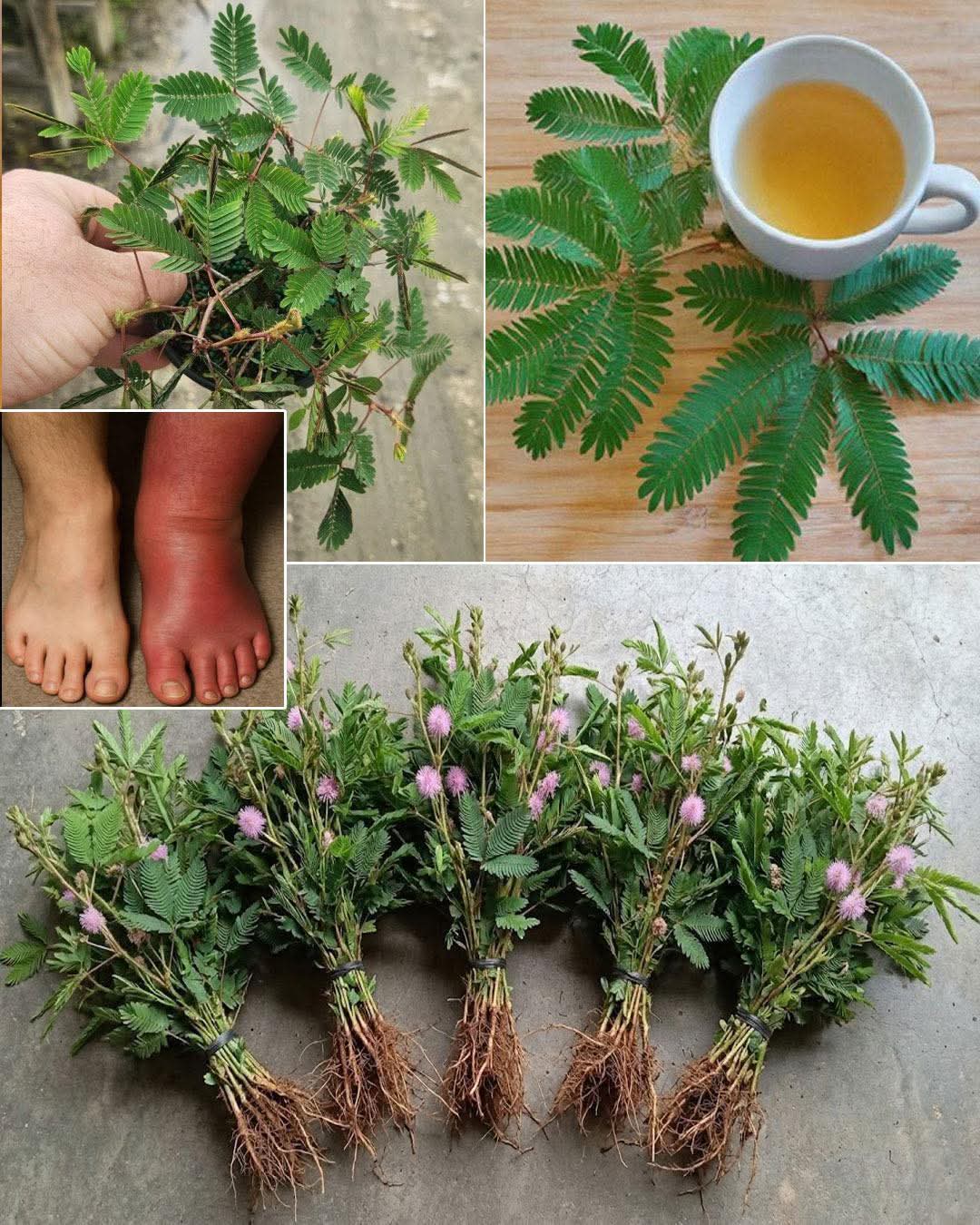
Mimosa pudica, often referred to as the “sensitive plant”, “touch-me-not”, or “shy plant,” is well-known for its fascinating leaf movements—folding inward when touched. Beyond this unique characteristic, Mimosa pudica has a long history of traditional use in various cultures, where different parts of the plant (leaves, stems, and roots) have been employed in herbal remedies. In recent years, Mimosa pudica tea has gained attention for its potential health benefits and traditional uses. Below, we explore how this tea is prepared, its possible benefits, and considerations for safe use
Potential Health Benefits of Mimosa Pudica Tea
Digestive Support
Traditional systems of medicine sometimes use Mimosa pudica to help soothe digestive discomfort.
Some people claim it may help reduce diarrhea or mild gastrointestinal irritation.
Certain compounds in the plant (tannins, flavonoids) could contribute to an astringent effect on the digestive tract.
Antimicrobial and Antiparasitic Properties
Preliminary research suggests that extracts from Mimosa pudica may exhibit antimicrobial activity against certain bacteria.
In some traditional practices, it’s used as a supportive remedy against intestinal parasites; however, robust clinical data is lacking.
Anti-Inflammatory Potential
Folk medicine occasionally employs Mimosa pudica for its possible anti-inflammatory effects, applying it externally for minor wounds or skin irritations.
Recent Articles

How Atorvastatin Works – And Why Side Effects Can Appear

Soak Your Feet in Vinegar Once a Week and Watch These 9 Health Problems Disappear

MYTH OR MEDICAL REALITY: DOES EATING RAW ONIONS REALLY CAUSE THIS COMMON HEALTH PROBLEM? (THE TRUTH REVEALED)