Rock hard? It’s underripe. Give it 2–5 days on the counter.
Slight give? It’s ripe and perfect for slicing.
Leaves a small dent? It’s very ripe—ideal for mashing into guacamole or spread.
Eating utensil set
Feels mushy with a large, lasting dent? Likely overripe. If the skin also looks sunken, it’s probably past its prime.
Advertisement
2. Check the Skin: Know Your Variety
Color clues vary by type.
The most common variety—Hass—changes color as it ripens:
Unripe: Bright, bumpy green.
Ripe: Dark green to purplish-brown.
Overripe: Very dark, almost black, often with an overly soft or mushy feel.
Other varieties like Fuerte or Bacon stay green when ripe, so always rely on texture over color.
Food storage containers
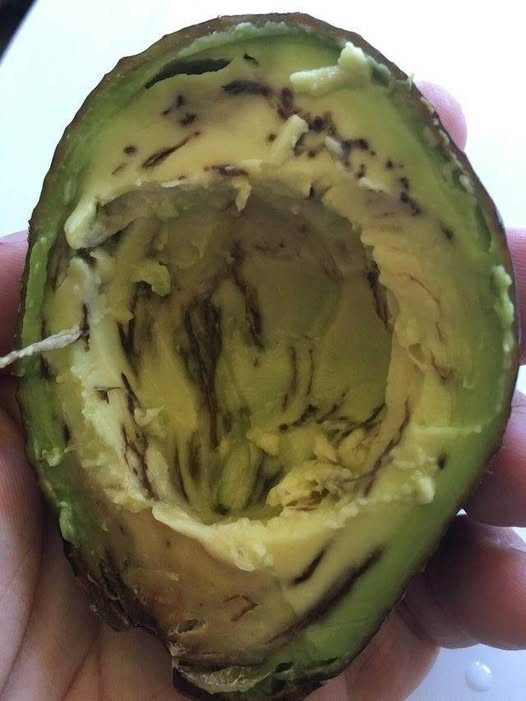
3. Inspect the Flesh After Cutting
Once it’s open, look closely.
Good to eat: Uniform light green flesh.
Still okay: Small, isolated brown spots or thin, dark streaks (these can come from bruising or growing conditions—simply slice them away).
Toss it: Widespread brown or black patches, especially if the discoloration reaches deep into the flesh, or if the texture is excessively stringy or mushy.
4. Trust Your Nose (and Taste—as a Last Resort)
A fresh avocado smells subtly sweet and nutty.
Throw it out if it has:
Recent Articles

How Atorvastatin Works – And Why Side Effects Can Appear

Soak Your Feet in Vinegar Once a Week and Watch These 9 Health Problems Disappear
MYTH OR MEDICAL REALITY: DOES EATING RAW ONIONS REALLY CAUSE THIS COMMON HEALTH PROBLEM? (THE TRUTH REVEALED)