
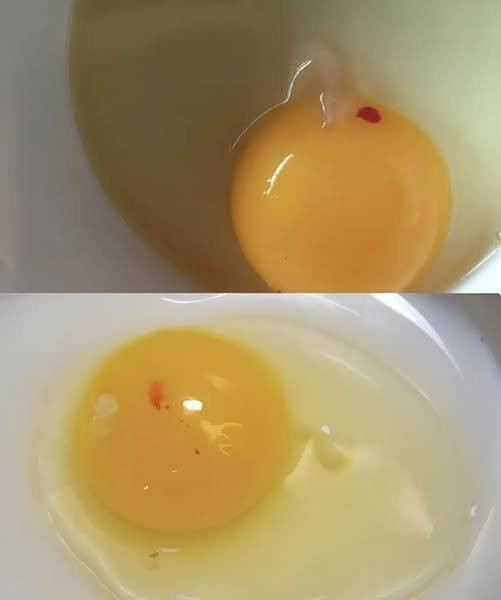
You crack a fresh egg into a bowl, ready to start your morning scramble, and there it is: a small, red spot suspended in the golden yolk. For many home cooks, this sight triggers immediate concern. Is it blood? Is it an embryo? Should you toss the whole egg? These tiny specks have sparked kitchen debates for generations, leading to perfectly good eggs being discarded over misunderstandings. Let’s crack open the facts.
What Are Those Red Spots, Really?
Contrary to popular belief, those red spots are not underdeveloped embryos—they are small blood clots. Known in the egg industry as “meat spots” or “blood spots,” they form when tiny blood vessels in the hen’s ovary or oviduct rupture during the egg-laying process. The blood or tissue then gets incorporated into the egg as it’s formed.
This has nothing to do with fertilization. In fact, the vast majority of eggs sold commercially are from hens that have not been in contact with a rooster. The spots are simply a natural, albeit occasional, part of egg formation.
Several factors can increase the likelihood of blood spots:
-
Genetics: Some breeds of hens are more prone to them.
-
Age: Both very young hens (just starting to lay) and older hens (near the end of their laying cycle) are more likely to produce eggs with spots.
-
Diet: Deficiencies in vitamins like vitamin A or vitamin K can affect vascular strength.
-
Stress: Environmental stressors can sometimes play a role.
-
Random Chance: Often, it’s simply a minor, natural occurrence with no underlying health issue in the hen.
Recent Articles
13 Genius Beauty Uses of Potatoes for Hair, Skin, Eyes, and More

Beetroot Juice: Benefits for Digestion, Blood Sugar, and Liver Health

I make this every night and haven’t gained a single pound. It’s the only cake I can eat after dinner. It’s only 90 calories!

I Didn’t Believe This Floor Trick Until I Tried It… Now I’ll Never Go Back
Pages: 1 2
