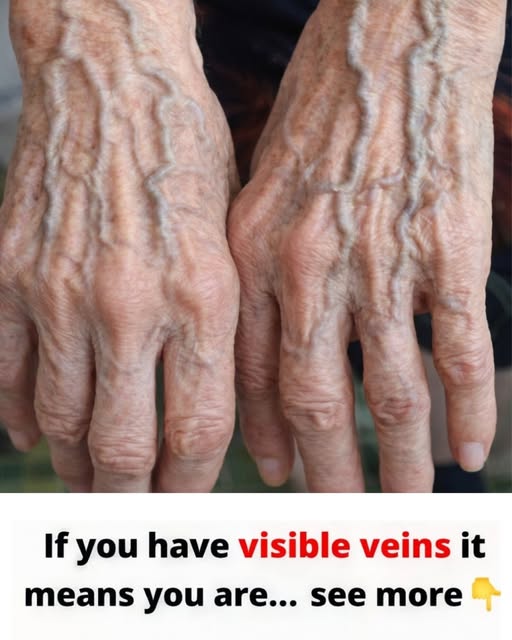
Many people notice prominent or bulging veins on their hands, legs, or feet and immediately worry that something may be wrong. In most cases, visible veins are completely harmless and linked to everyday factors such as physical activity, warm temperatures, skin tone, tight clothing, or natural aging. Genetics and excess body weight can also make veins appear more noticeable beneath the skin.
However, there are situations where enlarged or twisted veins—especially in the legs—may point to an underlying vein condition or, in rare cases, something more serious like a blood clot. Knowing the difference can help you decide when to relax and when to seek medical advice.
Why Veins Become More Visible
Veins carry oxygen-poor blood back to the heart. To do this efficiently—especially from the legs—they rely on small one-way valves that prevent blood from flowing backward.
When these valves weaken or become damaged, blood can pool inside the vein instead of moving upward. Over time, this increased pressure causes the vein walls to stretch, twist, and bulge, making them more visible beneath the skin.
Blood Pooling, Spider Veins, and Varicose Veins
Not all visible veins are the same. Blood pooling can affect veins of different sizes:
Recent Articles

How Atorvastatin Works – And Why Side Effects Can Appear

Soak Your Feet in Vinegar Once a Week and Watch These 9 Health Problems Disappear

MYTH OR MEDICAL REALITY: DOES EATING RAW ONIONS REALLY CAUSE THIS COMMON HEALTH PROBLEM? (THE TRUTH REVEALED)